

Understanding concussions and traumatic brain injuries
Concussions and traumatic brain injuries (TBI) are common and frequently misunderstood. Symptoms can be subtle, change over time, and look different from person to person. Learning the basics can help you recognize what is happening and feel more confident during recovery.

How common are concussions?
Concussions happen more often than many people realize. An estimated 3.8 million concussions occur each year in the United States (Centers for Disease Control and Prevention).
A 2025 survey of U.S. adults found that 29 percent reported experiencing symptoms consistent with a concussion or brain injury after a hit to the head, such as:
Feeling dazed or confused
Losing consciousness
Having a gap in memory
Many concussions are never formally diagnosed, especially when symptoms seem mild or improve quickly. Because of this, the true number of people affected is likely higher than reported.
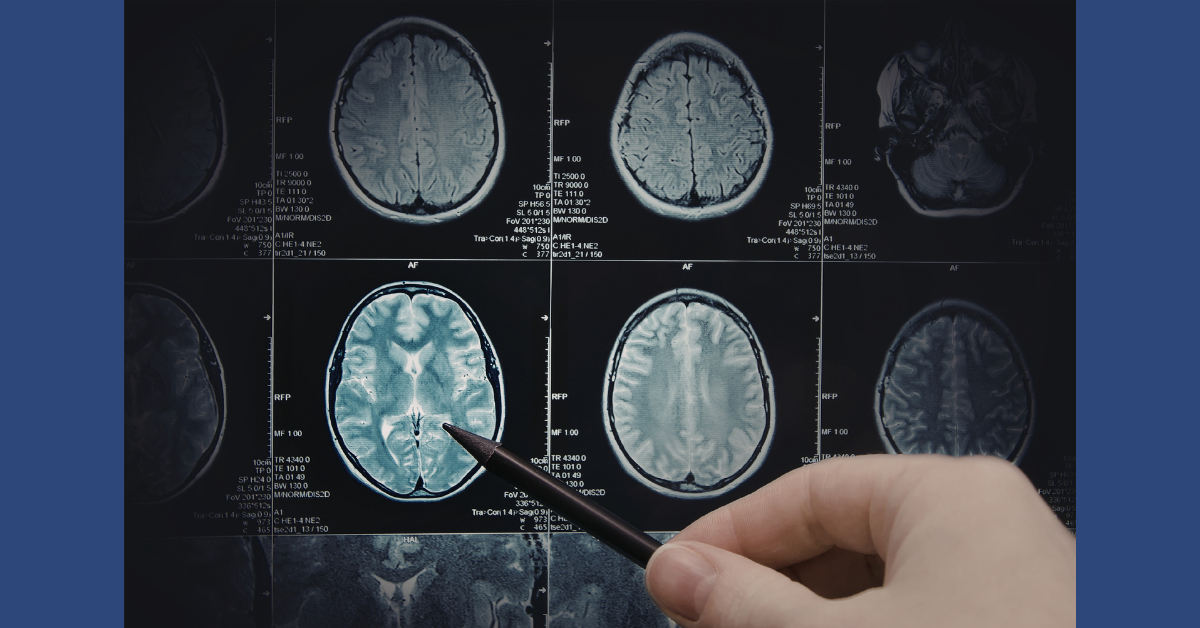
What is a traumatic brain injury?
A concussion happens when the head or body is hit or shaken hard enough to cause the brain to move inside the skull. This movement can temporarily disrupt how the brain works, even if imaging tests appear normal. A concussion is considered a type of mild traumatic brain injury, often called mTBI.
A traumatic brain injury, or TBI, is a broader term that describes any injury to the brain caused by an external force. TBIs are commonly classified as:
Mild, which includes concussions
Moderate
Severe
It is important to know that the word mild describes how the injury is classified medically, not how it feels. Even mild brain injuries can cause symptoms that affect daily life. Symptoms may also take time to appear and can change as recovery continues (CDC).
Common symptoms of brain injuries
Symptoms vary from person to person and may change from day to day. Some people notice symptoms right away, while others develop them hours or days later.
Common symptoms include headache, dizzinees or balance problems, nausea, fatigue, difficulty concentrating, trouble thinking clearly, sensitivity to light or noise, and mood changes such as irritability or anxiety.
In some cases, a concussion can cause loss of consciousness. Repeated concussions may increase the risk of longer-term challenges with memory, learning, or speech (CDC).
What brain injury recovery can look like
Most people fully recover from concussions with rest and time (CDC). Recovery does not always follow a straight path.
You may notice that symptoms:
Improve, then temporarily worsen
Change from day to day
Are affected by sleep, stress, screen use, or activity
Because symptoms can fluctuate, many people find it difficult to remember how they felt earlier or explain their recovery clearly to others.
Brain injury awareness is still limited
Despite how common brain injuries are:
About 70 percent of U.S. adults report being familiar with concussions
Just over half report being familiar with traumatic brain injuries
This lack of awareness can make recovery feel isolating, especially when symptoms are not visible or well understood (U.S. Adult Head Injury Survey, 2025).

How MindMap can help
MindMap supports people recovering from concussions and traumatic brain injuries by helping them track symptoms over time, notice patterns in recovery, and prepare clear summaries for doctor visits. The goal is to help you feel more informed, supported, and confident as you heal.